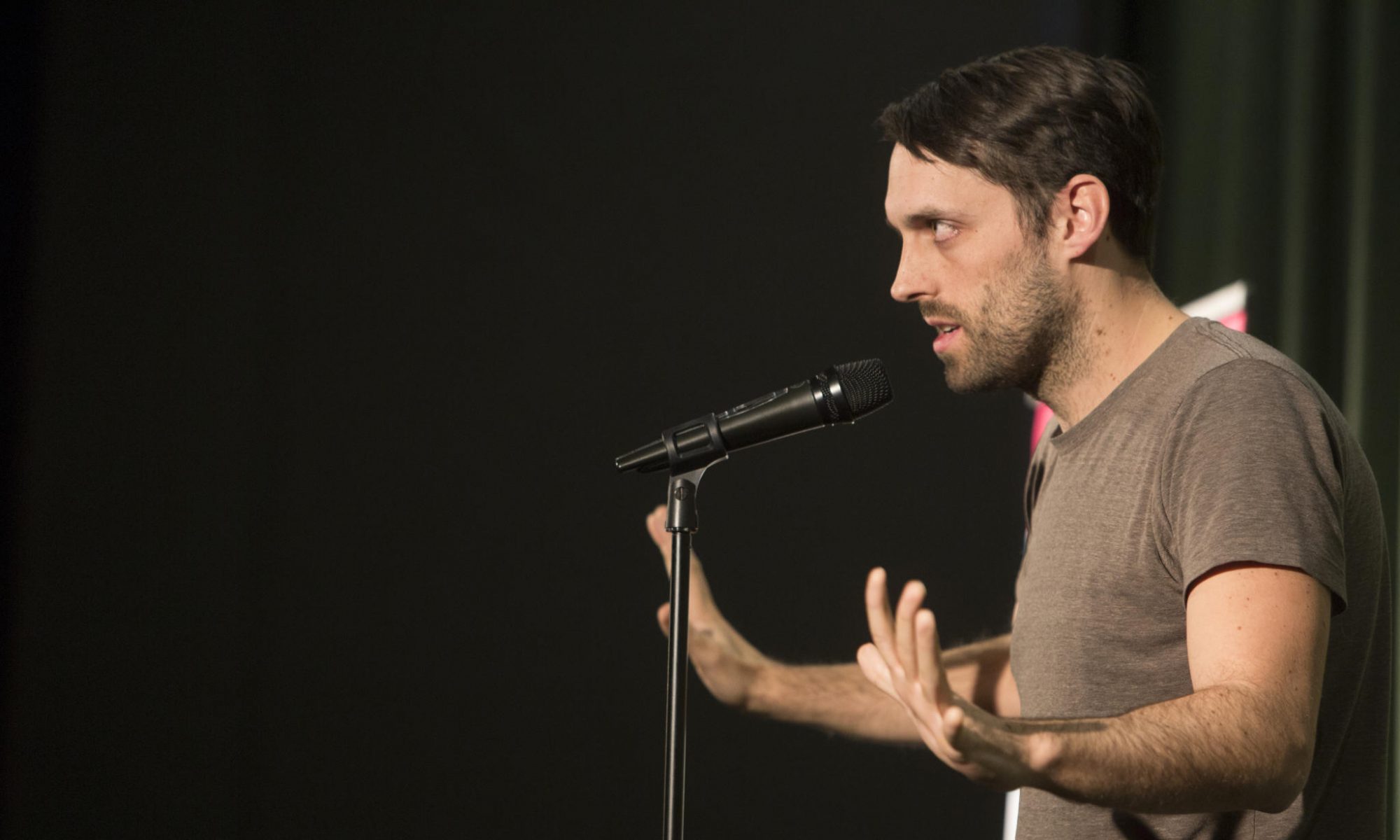

As a researcher, I explore what and how people learn through creative production in both formal and informal learning settings. In particular, I investigate how cultural contexts (ranging from informal music communities to math classrooms) both produce and restrict different types of curricula, pedagogies, and knowledge. While extant research shows that creative production holds the potential to empower individuals, the unexamined cultural forces within formal and informal curricula often reproduce systemic forms of oppression.
Through my research practice, I have found that investigating the historical and cultural contexts surrounding creative production demands a critical and interdisciplinary approach. In response, my work draws equally from curriculum studies, the learning sciences, cultural studies, art education research, and visual cultures. I approach this work through a number of philosophical lenses including poststructuralism, posthumanism, critical race theory, and feminist theory and draw from a variety of methodological standpoints including ethnography, design-based research, text analysis, object studies, and arts-based research. Findings from this work reveal unexplored, unique, and culturally situated ways of knowing and learning embedded within networks of interconnected and agentic actors (ranging from teachers and students to technologies, environments, and historical forces).
Learning Through Noise
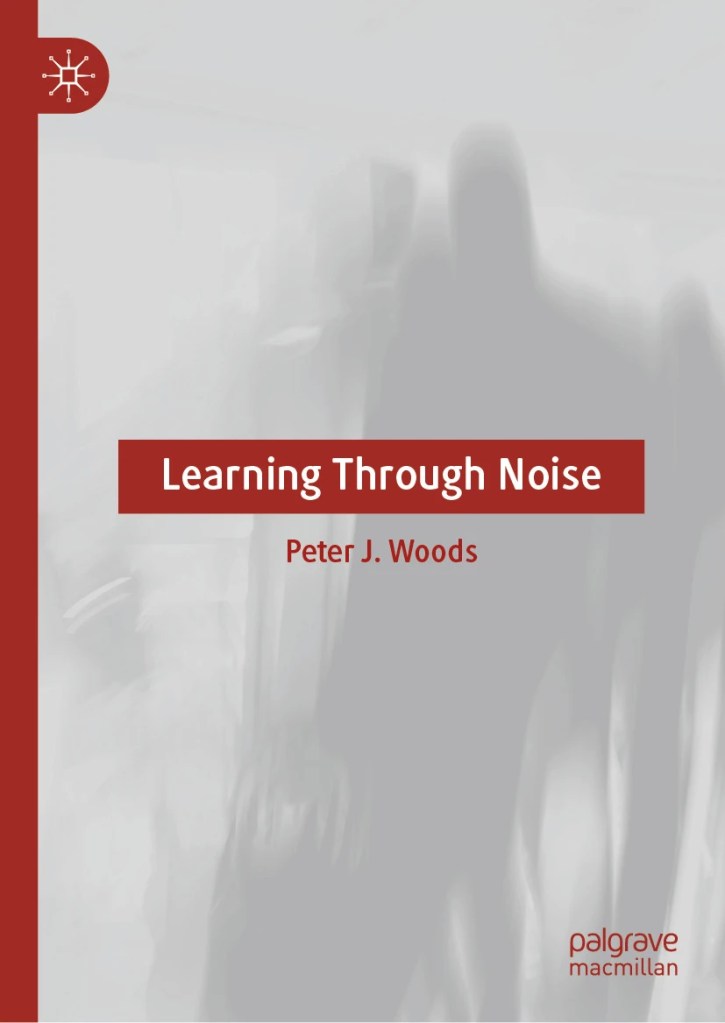
Drawing on my dissertation research Learning Through Noise (from Palgrave Macmillan) argues that the formation of noise music as a distinctive musical genre (and noise music scenes as distinct musical subcultures) relies on the production of unique learning ecologies and vice versa. Noise music does not exist as a musical form that one learns to reproduce, create within, or appreciate in defined educational contexts (i.e. classrooms) separate from where this music lives (venues, recording studios, practice spaces, etc.). Instead, making and listening to noise music in itself represents the primary method of learning about and within the genre. Because the processes of making, listening to, and learning within noise music are deeply intertwined, the book contends that understanding noise music inherently requires understanding the unique and situated learning processes of the genre.
I draw on a wide range of philosophical texts, analyses of albums and performances, and interviews with noise artists from the US and Canada (but mostly Milwaukee). Across the three sections of Learning Through Noise, I: define noise through the abject as a liberatory educational technology; explore posthuman forms of constructionism and communities of practice embodied in noise scenes; and critique the forms of whiteness that circulate through noise music.
Introducing the Learning Sciences: Insights and Implications for Teaching
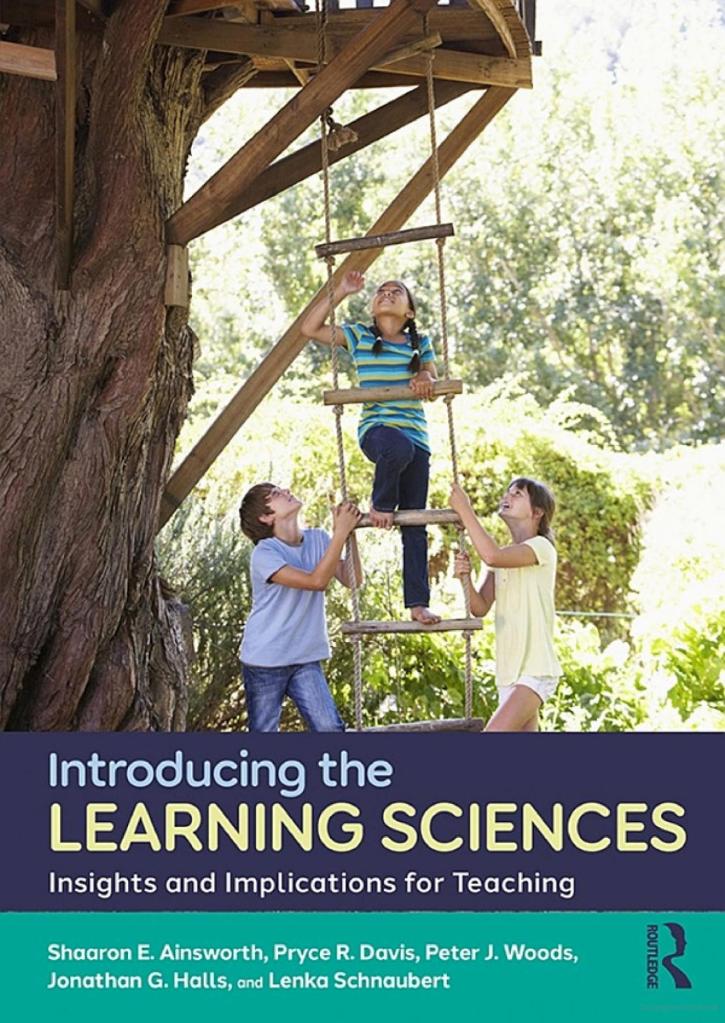
Written alongside Shaaron E. Ainsworth, Pryce R. Davis, Jonathan G. Halls, and Lenka Schnaubert, Introducing the Learning Sciences explores core aspects of learning—cognitive, constructive, socio-cultural, emotional and motivational, and representational—through a unique metaphor: Teaching as architecture. Like architects, educators must balance evidence-based principles with their professional vision and adapt to diverse contexts and needs. Each chapter delves into foundational theories and evidence, drawing evidence from multiple methods and practices, before illustrating practical applications through metaphors and stories. It provides practical insights grounded in research, helping readers understand why their teaching works and offering a framework to refine their practice. The final chapter examines emerging trends, including critical perspectives and the impact of artificial intelligence on education, offering a forward-looking view of the field.
This book is an invaluable resource for educators, teacher trainers, and students of education or learning sciences. Whether you are new to teaching or a seasoned professional, it will inspire you to design learning experiences that educate, captivate, and empower your students to reach their full potential. The book will officially be released on May 6th, but you can preview it here before then.
Repository
A repository of my work can be found here, featuring open access versions of most of my articles.
Recent Refereed Journal Articles
Woods, P. J., & Ortega, Y. (2025). Scenes of entanglement: Towards a posthuman understanding of the transglobal noise music scene. DIY, Alternative Cultures & Society, 3(1), 3–17. https://doi.org/10.1177/27538702241305690
Woods, P. J. (2024). Bearing Witness to Violence Through Noise: A Critical Exploration of Runzelstirn & Gurgelstøck’s Affective Curriculum. Journal of Curriculum Theorizing, 39(1b), 65-75. https://journal.jctonline.org/index.php/jct/article/view/1231
Woods, P. J., Matuk, C., DesPortes, K., Vacca, R., Tes, M., Vasudevan, V., & Amato, A. (2024). Reclaiming the right to look: Making the case for critical visual literacy and data science education. Critical Studies in Education, 65(5), 441–459. https://doi.org/10.1080/17508487.2023.2298198
Woods, P. J. (2024). Conceptualizing Anti-Racist Pedagogies Within Experimental Music’s Community of Practice. Adult Education Quarterly, 74(1), 3–22. https://doi.org/10.1177/07417136231198218
Woods, P. J. (2023). The abject pleasures of militarised noise. Culture, Theory and Critique, 64(1–2), 196–211. https://doi.org/10.1080/14735784.2023.2265085
Woods, P. J. (2023). Shitposting as public pedagogy. Curriculum Inquiry, 53(4), 359–380. https://doi.org/10.1080/03626784.2023.2272988
Recent Refereed Conference Papers
Woods, P. J. (2025). Exclusionary and Emancipatory Learning Praxes of Gender Nonconforming Noise Musicians. Proceedings of the 18th International Conference of the Learning Sciences – ICLS 2025, 74–82. https://2025.isls.org/proceedings
Hennessey Elliott, C., & Woods, P. J. (2025). Learning as Participation at the Annual Meeting of the International Society of the Learning Sciences. Proceedings of the 18th International Conference of the Learning Sciences – ICLS 2025, 2130–2134. https://2025.isls.org/proceedings
Woods, P. J. (2024). Mapping a School-based Ecology of Learning In and Through Music. Proceedings of the 2024 Annual Meeting of the International Society of the Learning Sciences, 1275–1278. https://repository.isls.org//handle/1/10676
Vacca, R., Matuk, C.,Woods, P.J., DesPortes, K., Amato, A., & Silander, M. (2024). Scoping the Terrain of Data Stories in the Social Media Wild. In Proceedings of the 2024 Annual Meeting of the International Society of the Learning Sciences.(p. 1786-1789). https://doi.org/10.22318/icls2024.877432
Woods, P. J. (2023). Musical Agency in Experimental Music Education. In Proceedings of the 2023 Annual Meeting of the International Society of the Learning Sciences. (p. 826-829). https://2023.isls.org/proceedings/
 Peter J. Woods